What Happens to Montreal Upholstery in November
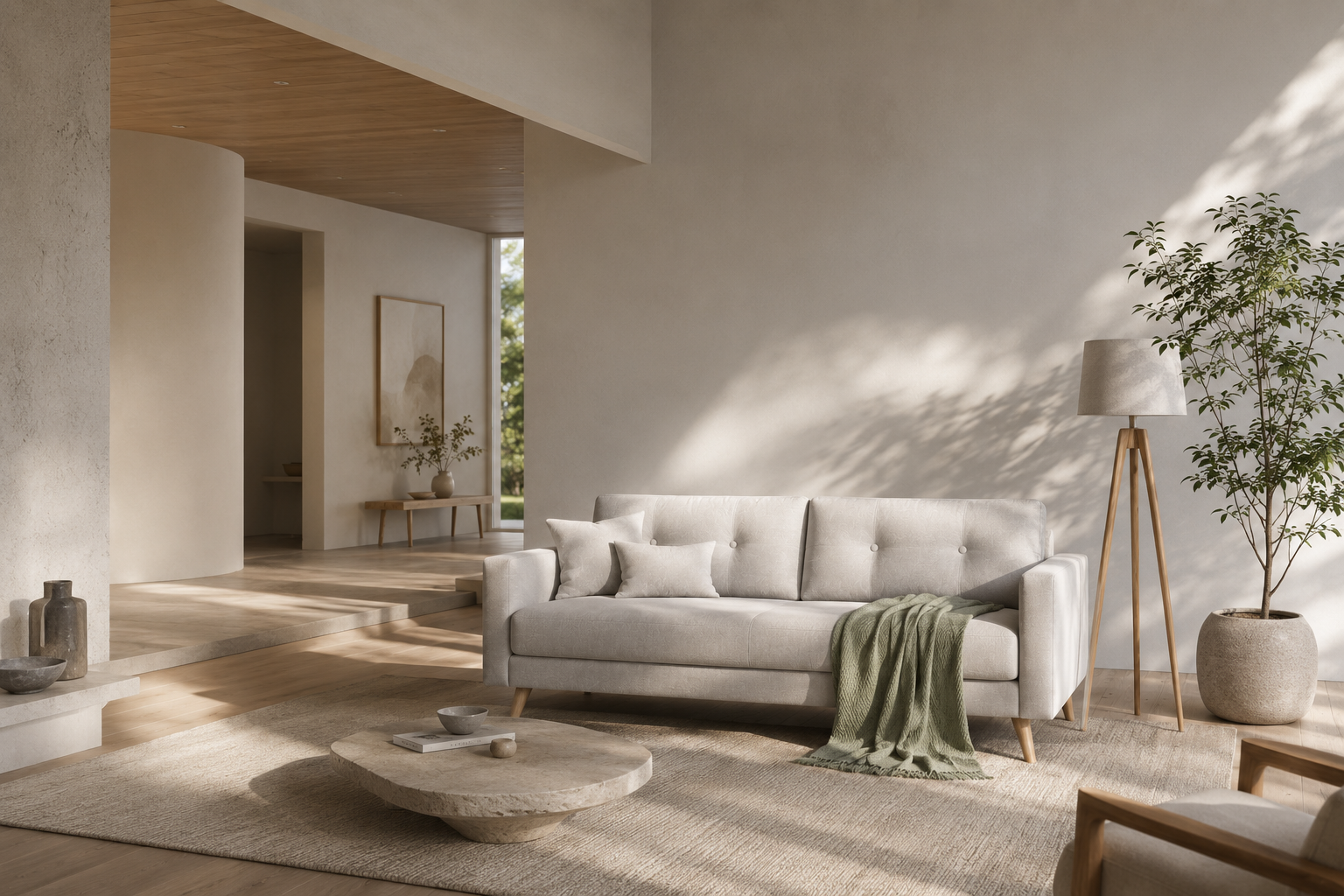
Your furniture is absorbing November right now
In October, Montreal still has dry leaves and the occasional warm afternoon. By November, that's over. What you have instead is wet wool, damp fleece, salt-dusted jackets, and everyone in the household spending most of their waking hours indoors — sitting on your furniture. If you haven't thought about your upholstery since summer, now is exactly the right moment.
What's actually getting into your fabric
The contamination in fall upholstery isn't dramatic. It's slow and invisible, which is why people miss it. Here's what's accumulating right now:
- Damp from outerwear. Coats and scarves get tossed on sofas. Wet fabric transfers moisture directly into cushion fill, and once cushion fill is damp repeatedly, it starts to hold odour.
- Fine street salt. Montreal's roads and sidewalks start getting salted in November. It comes in on clothing and settles into upholstery fibres. Salt is abrasive at the microscopic level — over a season it weakens fabric weave, especially on armrests and seat edges that see the most contact.
- Pet dander and hair. Animals shed year-round, but in November they're inside constantly. If you have a dog or cat, your sofa cushions are accumulating a layer of dander that standard vacuuming alone won't fully remove.
- Cooking and heating smells. Windows are shut. Radiators are on. The air inside Montreal apartments in November circulates endlessly, and fabric is the best absorbent surface in any room. What your couch smells like in March is largely determined by what your apartment smells like now.
Check your cushion tags before you do anything
Every upholstered piece has a care tag, usually tucked under a cushion or on the underside of the frame. The letters on that tag matter:
- W — water-based cleaner is safe.
- S — solvent-based cleaner only. Water will leave a ring or damage the material.
- W/S — either works.
- X — vacuum only. No liquids at all.
A lot of Montreal apartments, especially older Plateau or Rosemont units, have inherited furniture with no tags at all, or tags that have been washed off. If you can't find the code, test any product on a hidden spot — the back corner at floor level — and wait ten minutes before proceeding.
What you can do yourself this week
Even before you call anyone in, there's meaningful work you can do at home:
- Vacuum thoroughly — but use the right attachment. The wide brush head is for floors. For upholstery, use the upholstery nozzle or a soft brush attachment. Go slowly and work in overlapping passes. Flip cushions and vacuum the undersides and the platform beneath them — that's where crumbs, pet hair, and debris collect most.
- Deodorize with baking soda. Sprinkle a thin, even layer of baking soda over fabric surfaces (not leather). Leave it for at least 20 minutes — longer if the furniture has absorbed a lot of moisture over fall. Vacuum it up completely. This is one of the few genuinely effective home deodorizing methods for upholstery.
- Spot-treat stains promptly. Fresh stains — coffee, wine, food — respond to treatment within the first few minutes. Blot, never rub. Rubbing pushes the stain deeper into the weave and can distort the pile on velvet or chenille. For W-coded fabrics, cold water and a small amount of dish soap applied with a clean cloth handles most common stains. For S-coded materials, leave it for a professional.
- Rotate and flip your cushions. This isn't just about wear — it's about drying. Cushions that sit in one position trap moisture from body heat and damp clothing. Flipping them every few weeks through fall lets both sides breathe.
When it's worth having a professional come in
If your upholstery hasn't had a proper clean in over a year, or if it went through a damp August and a heavy October, home methods are maintenance — not restoration. Hot water extraction (sometimes called steam cleaning) done correctly gets into the cushion fill, not just the surface fabric. It also neutralizes the organic material that causes persistent odour, which baking soda can mask but can't eliminate.
November is a reasonable time to do this because your furniture will get the heaviest use of the year from now until April. Starting that period with clean upholstery means whatever accumulates over winter is starting from a clean baseline rather than compounding on top of last spring's mess.
One thing worth doing today
Pull the seat cushions off your sofa and look at what's underneath. If you find enough debris to fill a small cup, that's a signal. It means the surface of the fabric has been filtering for a while and the visible upholstery is likely holding more than it looks like it is. That's the clearest sign that vacuuming alone isn't going to cut it this fall.
Want this handled for you?
Plan your clean in under a minute and see your exact price before you pay anything. Same team, every visit.
Plan my clean